Gut-Friendly Foods: 7 Common Myths vs. the Facts
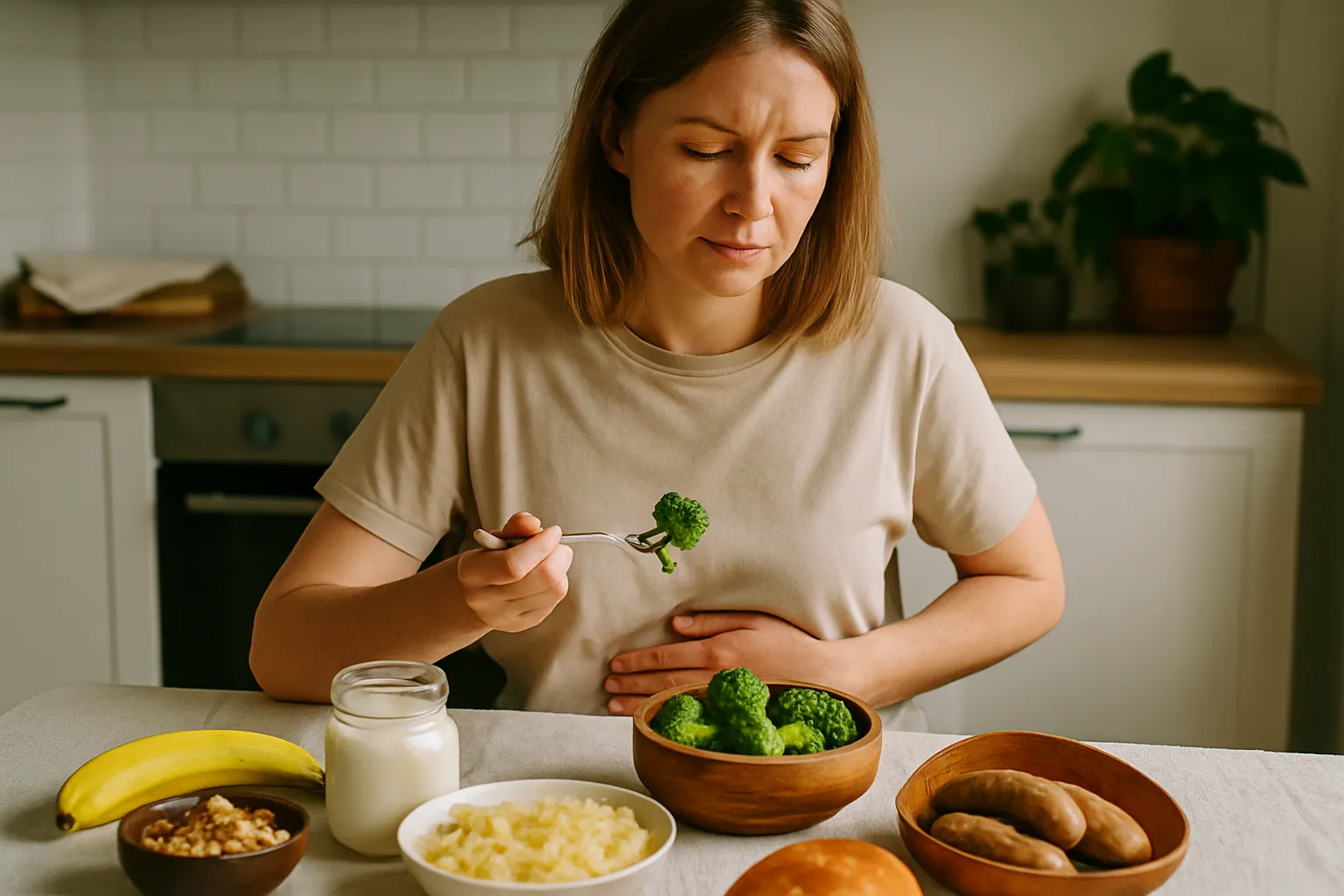
When it comes to eating for digestion, there's no shortage of confident-sounding advice — and a lot of it doesn't hold up under closer inspection. Gut-friendly foods are often oversimplified into rigid rules ("never eat this," "always eat that") that don't reflect how varied and individual digestion really is. This article walks through some of the most common myths about gut-friendly foods and what current nutrition understanding actually suggests, so you can make more informed choices for your own digestive comfort.
Myth #1: All Fiber Affects the Gut the Same Way
The claim: Fiber is fiber, so any high-fiber food will help digestion equally.
The fact: Fiber comes in two broad categories — soluble and insoluble — and they behave quite differently in the digestive tract. Soluble fiber, found in oats, beans, and many fruits, dissolves into a gel-like substance and can help slow digestion and feed beneficial gut bacteria. Insoluble fiber, found in whole grains and vegetable skins, adds bulk and may support more regular bowel movements.
Most people benefit from a mix of both rather than loading up on just one type. If you've increased fiber intake and noticed more bloating rather than less, the type and source of fiber — not just the amount — may be worth examining.
Myth #2: Fermented Foods Instantly "Fix" Digestion
The claim: Adding yogurt, kefir, or sauerkraut to your diet will quickly resolve digestive discomfort.
The fact: Fermented foods can introduce beneficial bacteria and may support a more diverse microbiome over time, but the gut doesn't work on an instant-reset basis. Research suggests that consistent, long-term dietary patterns matter more than any single food eaten occasionally. Fermented foods are a reasonable addition to a varied diet, but they're one piece of a much larger picture that includes fiber intake, hydration, sleep, and stress levels — all of which influence digestive comfort.
Myth #3: Raw Vegetables Are Always Easier on Digestion Than Cooked Ones
The claim: Raw produce is inherently more "natural" and gentler on the gut.
The fact: This one often surprises people. For some individuals, raw vegetables — especially cruciferous ones like broccoli, cabbage, and cauliflower — can be harder to break down and may contribute to gas or bloating. Cooking can soften plant cell walls and make certain nutrients more accessible, while also making the food easier to digest for some people. Neither raw nor cooked is universally "better"; it often comes down to individual tolerance and the specific vegetable in question.
Myth #4: Dairy Is Bad for Everyone's Gut
The claim: Cutting out dairy entirely is necessary for good digestion.
The fact: Lactose intolerance is common, but it isn't universal, and its severity varies widely from person to person. Some fermented dairy products, like plain yogurt with live cultures, contain less lactose and may be easier to tolerate than milk. Blanket dairy avoidance isn't necessary for most people and can sometimes mean missing out on nutrients like calcium and protein. If you suspect dairy is a trigger for your bloating or discomfort, it's worth tracking symptoms or speaking with a healthcare provider rather than assuming avoidance is required.
Myth #5: Detox Diets and Juice Cleanses "Reset" the Gut
The claim: A short-term juice cleanse or detox diet clears out toxins and resets digestive health.
The fact: The gut, liver, and kidneys already work continuously to process and eliminate waste; there's limited evidence that short-term cleanses meaningfully change this process. In fact, juice-heavy diets are often low in fiber and protein, which are two things the digestive system actually relies on for regularity and microbiome support. A more sustainable approach involves consistent, balanced eating rather than short bursts of restriction. This is a topic covered in more depth in Digestive Health Myths: Separating Fact from Fiction, which explores several other misconceptions about quick-fix digestive solutions.
Myth #6: Spicy Foods Damage the Gut Lining
The claim: Regularly eating spicy food harms the digestive tract over time.
The fact: For most people without an existing digestive condition, spicy foods don't cause lasting damage to the gut lining. Capsaicin, the compound responsible for heat in peppers, can cause a temporary burning sensation and may irritate the stomach in sensitive individuals, but this is different from structural harm. Some research has even looked at potential benefits of capsaicin for metabolism, though findings are still developing. If spicy food consistently causes discomfort for you personally, that's a signal to moderate intake — not necessarily a sign of gut damage.
Myth #7: You Need to Eliminate Entire Food Groups for a Healthy Gut
The claim: Cutting out gluten, sugar, or other food groups entirely is the key to better digestion.
The fact: Unless there's a diagnosed sensitivity, allergy, or condition like celiac disease, broad elimination diets aren't typically necessary and can sometimes reduce dietary variety in ways that may affect the microbiome. A diverse, plant-forward diet — with a range of fiber sources, some fermented foods, lean proteins, and healthy fats — tends to be more supportive of a balanced gut environment than restrictive elimination. If you suspect a specific food group is causing issues, a structured elimination and reintroduction process guided by a healthcare provider is a more reliable approach than permanent, self-directed avoidance.
What Actually Supports Gut-Friendly Eating
Rather than chasing single "superfoods" or rigid rules, a few consistent patterns tend to be associated with better digestive comfort:
- Variety in plant foods — different fibers feed different types of gut bacteria
- Adequate hydration — water helps fiber do its job and supports regularity
- Regular meal timing — eating patterns that align with your body's natural rhythms may support more consistent digestion
- Gradual changes — sudden large increases in fiber or fermented foods can temporarily increase bloating
- Mindful eating — eating slowly and chewing thoroughly can ease the digestive process
FAQ: Gut-Friendly Foods
Do I need to eat fermented foods every day for gut health? Not necessarily. While fermented foods can be a helpful addition, overall dietary variety and fiber intake tend to matter more for long-term microbiome support than daily consumption of any single food.
Are gut-friendly foods the same for everyone? No. Individual tolerance varies based on factors like existing gut bacteria, food sensitivities, and overall health. What works well for one person may cause discomfort in another.
Can I tell which foods are gut-friendly for me without professional help? Keeping a simple food and symptom log can offer useful clues, but persistent or severe digestive symptoms are worth discussing with a healthcare provider rather than self-diagnosing through trial and error alone.
The Bottom Line
Gut-friendly eating isn't about finding one perfect food or avoiding a single "bad" ingredient — it's about consistent, varied, and balanced habits over time. Being skeptical of one-size-fits-all claims and paying attention to your own body's responses will generally serve you better than following rigid food rules. As with most aspects of digestive wellness, gradual, sustainable changes tend to outperform dramatic overhauls.
This article is for informational purposes only and is not a substitute for professional medical advice.